🧱 HTML Basics
Semantic HTML5: The Complete Beginner-to-Pro Guide for 2026
Semantic HTML is the foundation of accessible, SEO-friendly websites. Here is the complete guide to using every tag the right way.
Nov 4, 202412 min read
Every tutorial we've published, sorted by date.
Semantic HTML is the foundation of accessible, SEO-friendly websites. Here is the complete guide to using every tag the right way.
Flexbox is one-dimensional, Grid is two-dimensional — but the real-world choice is more nuanced. Here's how to pick the right tool every time.
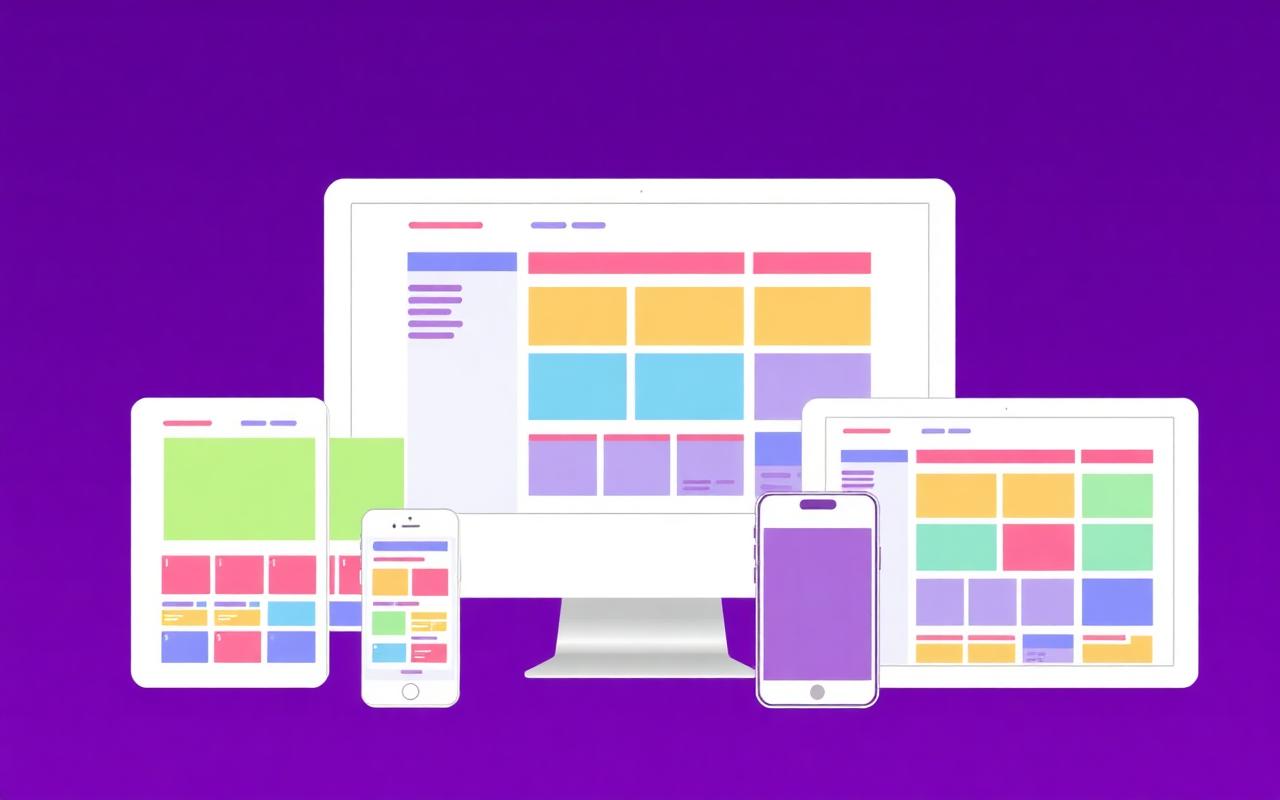
The Bootstrap 5 grid is the fastest way to ship responsive layouts. Here's how every piece fits together — with examples you can paste today.
Forms are where most websites win or lose users. Here's how to build HTML forms that are fast, accessible, and easy to submit.
Small HTML habits compound into big wins for SEO, accessibility, and Core Web Vitals. Here are the ten that matter most.
These 12 HTML mistakes show up in almost every beginner project. Fix them once and your code instantly looks professional.
From basic class selectors to the new :has() parent selector — the only CSS selectors guide you need bookmarked.
CSS variables changed how we build design systems. Here's how to use them well — beyond just storing colors.
Mobile-first isn't just a CSS technique — it's a whole approach to building faster, more accessible websites.
Bootstrap ships with dozens of components. Master these 12 and you'll be able to build almost any UI in minutes.
Bootstrap's utility classes are the secret weapon — once you know them, you'll barely write custom CSS for spacing or layout again.
If you've never written a line of JavaScript, start here. Clear explanations, real examples, no jargon.
The DOM is how JavaScript talks to your HTML. Master these patterns and you can build interactive UIs without any library.
JavaScript ships new features every year. These ten are the ones actually worth changing your code for.
jQuery selectors are still one of the friendliest ways to grab elements. Here's the complete reference, with examples.
Events are where jQuery really shines. Here are the patterns you'll use in 90% of projects.
jQuery isn't dead — it's just often used badly. Here's how to keep jQuery code clean and performant in 2026.
There are 22+ HTML5 input types and most developers only use 4. Here's a practical tour of the ones that genuinely improve UX.
Forget the 50-tag boilerplates. These are the meta tags that matter for search rankings and link previews in 2026.
Tables aren't outdated — they're the right tool for tabular data. Here's how to build them so they don't break on mobile or screen readers.
Every CSS layout bug eventually traces back to the box model. Here's the mental picture that makes it click for good.
If you've ever screamed at a style that won't apply, this is the article. Specificity and the cascade, explained clearly.
Picking the right CSS unit is the difference between a layout that scales and one that breaks the moment a user zooms.
Pseudo-classes and pseudo-elements are the CSS power tools most beginners skip. Here are the ones worth knowing.
Most UI motion belongs in CSS, not JavaScript. Here's how to use transitions, @keyframes, and the right easing curves.
Media queries respond to the viewport. Container queries respond to the component's parent — finally, true component-level responsiveness.
Bootstrap 5 forms went from clunky to genuinely good. Here's how to use them for real-world projects.
Stop overriding Bootstrap with hundreds of CSS lines. Sass variables let you change the framework at the source.
The first rule of ARIA: don't use ARIA. Here's why, and how to use it correctly when you really do need it.
Once you internalise map, filter, and reduce, half of your for-loops disappear. Here's a clear breakdown with real examples.
Promises are easier than they look once async/await clicks. Here's a clean walkthrough using the fetch API.
jQuery AJAX still powers a huge slice of the web. Here's the practical guide for maintaining or migrating it.